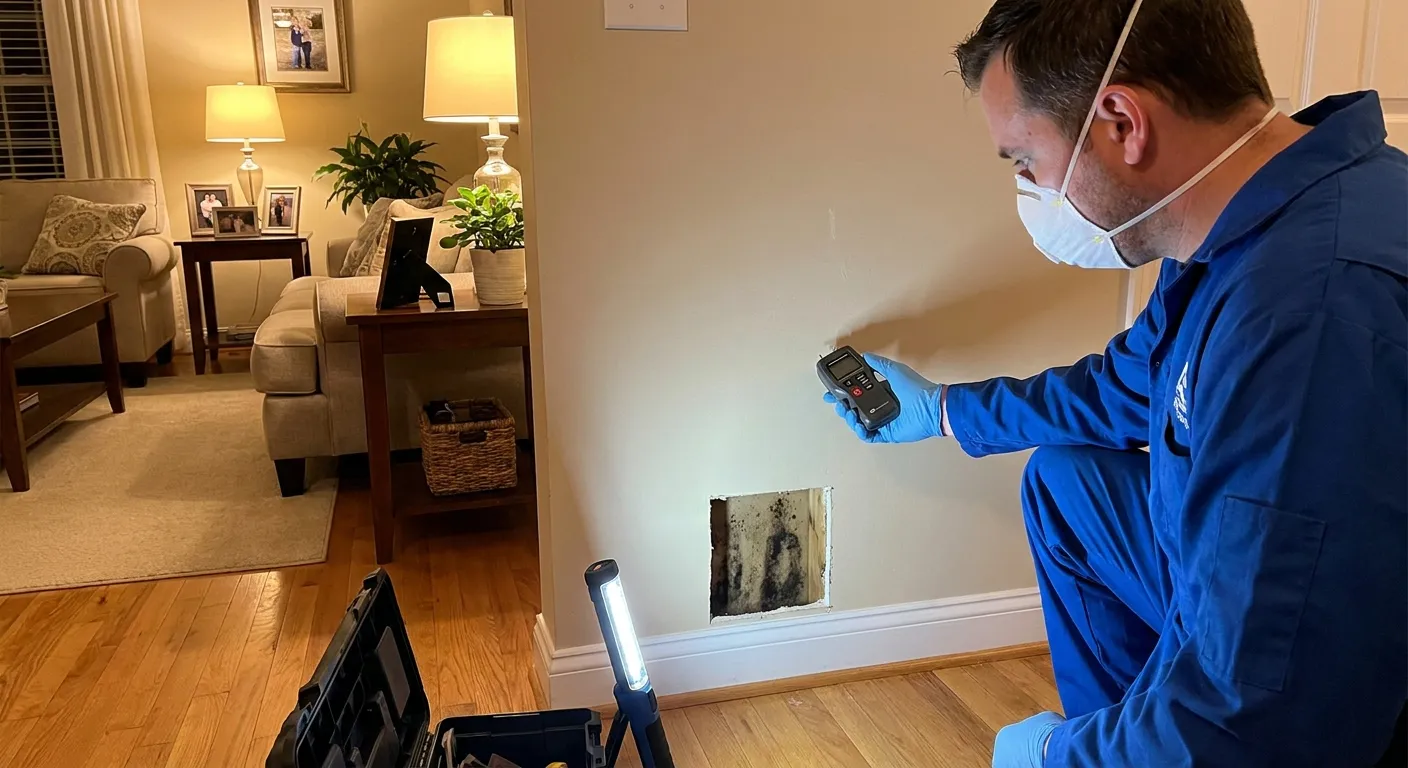
Comprehensive Mold Testing & Remediation Near Me: A Local Guide
Mold issues can be overwhelming, especially when you're unsure whether to test, remediate, or both. Should you address visible mold immediately? Is testing necessary for your situation? These questions are common, and knowing the right steps can make all the difference in resolving the problem effectively.
When it comes to mold testing and remediation near me, understanding the process ensures you make informed decisions that protect your property and health. Visual inspections can quickly uncover hidden moisture or mold concerns, while testing provides precise details when health risks or unseen mold are potential threats. Pair that with professional remediation to tackle the root cause, and you have the tools to create a safer environment.
In this guide, we’ll break down when testing is essential, what to expect from mold inspections, how remediation works, and why choosing certified professionals like ShepCo Restore ensures a thorough, dependable solution. Let’s explore the steps to protect your space and bring peace of mind back to your home or business.
Understanding Mold Testing and When It’s Necessary
Mold in a property is more than just an eyesore—it can have serious implications for health and structural integrity. However, not every situation requires mold testing before remediation, which often confuses property owners. Knowing when mold testing is necessary can prevent unnecessary costs and delays.
When Mold Testing Is Needed
Mold testing is most beneficial in cases where visible mold growth is absent but there are clear signs of its presence, such as:
- Persistent musty odors that won’t go away regardless of cleaning efforts.
- Unexplained respiratory issues, allergies, or skin irritations experienced by occupants.
- Evidence of water damage or high humidity levels but no visible mold.
- Confirming the type of mold present, especially for properties with recurring mold issues or concerns about toxic mold (like Stachybotrys or “black mold”).
Additionally, mold testing can verify if remediation was successful. After mold removal, professional testing evaluates air quality or surface samples to confirm the area is mold-free.
Scenarios Where Mold Testing Isn’t Required
When visible mold growth is present, testing isn’t strictly necessary before remediation. If mold can be seen (e.g., black spots on drywall or moldy areas under sinks), professionals often prioritize immediate removal since the type of mold doesn’t change the removal process.
In many cases, you can save time by contacting ShepCo Restore’s mold remediation team to begin removal services immediately. Our team uses a proven, step-by-step approach to ensure complete mold eradication.
Professional vs DIY Mold Testing
Although store-bought test kits are widely available, they are often unreliable and may not give you actionable insights. Professional mold testing involves on-site sampling completed by trained experts using specialized equipment. Certified mold testing services also offer lab analysis to identify specific mold strains, which is crucial if hazardous molds are suspected.
For accurate results, rely on certified professionals like ShepCo Restore, who offer robust and thorough mold inspection and testing services. This ensures property owners address the problem confidently with expert guidance.
Understanding when testing is necessary provides clarity; next, we’ll dive into how remediation effectively resolves the issue.
The Mold Remediation Process: Step-by-Step
Mold remediation is a multi-step process that focuses on identifying, containing, and removing mold while preventing future recurrence. Professional services like ShepCo Restore’s mold removal and remediation solutions ensure thorough care for your property at every stage.
Step 1: Mold Inspection and Moisture Detection
The remediation process begins with an inspection to assess the extent of mold growth and identify moisture sources. Mold thrives in damp environments, so addressing leaks, flooding, or high humidity levels is critical to avoid future outbreaks.
Professionals use advanced tools such as:
- Infrared cameras to detect hidden moisture behind walls or ceilings.
- Humidity meters to measure indoor air moisture.
- Surface sampling to locate the exact extent of the mold.
This step not only defines the scale of the infestation but helps strategize how to prevent mold from returning.
Step 2: Containment of the Affected Area
Once mold is located, containment measures are set up to prevent it from spreading to unaffected areas. This step is critical in both residential and commercial properties, where airflow can quickly disperse mold spores.
Common containment measures include:
- Sealing off affected areas using plastic sheeting or negative air pressure systems.
- Shutting down HVAC systems during remediation to prevent spore circulation.
- Establishing decontamination zones to minimize cross-contamination.
At ShepCo Restore, we use specialized techniques such as HEPA-filtered air scrubbers to protect indoor air quality and ensure containment is secure throughout the remediation process.
Step 3: Mold Removal
The actual removal of mold depends on the severity of the infestation and the materials affected. Surface mold can typically be scrubbed away using antimicrobial treatments, while extensive infestations often require the removal of contaminated materials (e.g., drywall, wood, or carpets).
Professional mold removal services at ShepCo Restore use:
- HEPA vacuums for fine particulate cleanup.
- Biocide sprays to kill mold colonies effectively.
- Detailed cleaning protocols for nearby surfaces.
For commercial and residential properties, certified teams focus on both removing visible mold and eradicating microscopic spores with industry-grade cleaning agents.
Step 4: Cleaning and Air Purification
After mold removal, the area must be thoroughly cleaned and purified. Advanced air scrubbers and dehumidifiers are employed to remove lingering spores and reduce moisture levels in the air.
This stage ensures improved air quality and lays the groundwork for preventing future mold outbreaks. ShepCo Restore goes an extra step to protect property value and occupant health.
Step 5: Repairs and Prevention Strategies
Finally, repairing any damage caused by mold or moisture brings the process full circle. This could involve replacing drywall, repainting walls, or sealing leaks to eliminate structural vulnerabilities.
Preventative measures might include installing better ventilation, managing indoor humidity with dehumidifiers, or conducting regular maintenance for water-prone areas. For homeowners and businesses alike, these additional steps significantly reduce the chance of mold reoccurring.
By following a detailed remediation process, ShepCo Restore ensures complete mold eradication while helping prevent future issues. Let’s explore how professional services compare to DIY efforts in both cost and effectiveness.
Professional Mold Remediation vs DIY Efforts
The most common dilemma for property owners is whether to handle mold removal themselves or hire professional services. While DIY solutions can seem appealing, they often lack the long-term effectiveness of professional intervention.
Risks of DIY Mold Removal
DIY mold removal is suitable for small spots of surface-level mold, perhaps in bathrooms or kitchens. However, it’s important to note the risks associated with handling mold without proper training or equipment:
Not addressing hidden mold: Mold often grows in unseen areas like inside walls, HVAC ducts, or under flooring. Without effective inspection, DIYers may clean visible portions but leave the infestation to spread further.
Use of inappropriate cleaning products: Using bleach on porous materials, for instance, often exacerbates mold problems by pushing spores deeper into surfaces rather than killing them.
Exposure hazards: Certain molds release mycotoxins that require personal protective equipment (PPE) to handle safely. DIY attempts without protective gear can lead to respiratory failure or skin irritation.
Benefits of Professional Mold Removal and Remediation Services
When you hire experts like ShepCo Restore, you’re investing in more than just mold removal—you’re gaining peace of mind. Professional services ensure:
Thorough inspection and removal: Certified teams use specialized detection and cleaning tools to locate and remove all mold growth, even in areas not visible to the naked eye.
Improved indoor air quality: HEPA air scrubbing and advanced ventilation systems protect your property, ensuring your space is safe for occupants.
Future prevention: Professionals identify and eliminate the root causes of mold, such as leaks or humidity issues, reducing the likelihood of recurrence.
With ShepCo Restore’s mold testing and remediation near you, homeowners and businesses can access certified services that ensure complete peace of mind.
Next, we’ll explore costs associated with mold testing and remediation and why professional assistance offers the most value.

Conclusion
Mold, while often underestimated, poses significant risks to both health and property. Understanding when mold testing is necessary and how professional remediation works is essential for tackling the issue effectively. As we've learned, mold testing provides value in specific scenarios, such as when mold isn't visible but there are signs of its presence, or to confirm remediation success. However, testing isn't always required, particularly when visible mold is already confirmed and ready for removal. This knowledge can help property owners save both time and money while focusing on what matters most—addressing and preventing mold infestations.
Professional remediation, as outlined, is a methodical process that ensures thorough care. From initial inspections to pinpoint moisture sources, to containment, removal, and prevention, every step is designed to eliminate mold and mitigate future risks. The use of advanced tools like HEPA air scrubbers, infrared cameras, and biocide sprays highlights the precision and expertise that professionals bring to the table. These steps aren't just about cleaning; they protect the air quality, ensure structural safety, and foster a healthier environment for occupants.
On the other hand, DIY mold removal, although tempting for minor cases, has its limitations and potential dangers. Surface-level cleanups might address visible mold, but hidden growth or improper cleaning methods can exacerbate the problem. Professionals like ShepCo Restore are equipped not just to remove mold but to eliminate its root causes, such as underlying moisture issues, ensuring lasting results.
Timely action cannot be overstated when it comes to mold. Left unaddressed, mold can spread rapidly, damage property structurally, and compromise health through allergenic or toxic reactions. Be it a persistent musty smell, unexplained health symptoms, or visible growth, early intervention is key. Ignoring the warning signs or delaying treatment not only escalates damage but also increases overall costs.
Whether you're a homeowner dealing with a small patch of mold or a business owner managing a larger-scale infestation, the priority should always be on proper and permanent solutions. Relying on experts like ShepCo Restore ensures comprehensive care, helping you avoid the pitfalls of incomplete DIY efforts or unnecessary testing expenses.
Ultimately, the goal of mold remediation is not just removal but prevention. Addressing the source of moisture, improving ventilation, and maintaining proper indoor humidity are essential steps to reduce future mold risks. Investing in professional remediation and prevention today can protect your property’s value, maintain air quality, and, most importantly, safeguard the health of everyone within your space.
If you’re facing mold issues, take control now. Reach out to ShepCo Restore for expert guidance, testing, and remediation services. Protecting your property and your health starts with a single, informed step. Don’t wait for mold to spread—act decisively and ensure peace of mind for the future.
When mold issues arise, property owners often feel unsure about whether they need to test for mold, move straight into remediation, or handle both. These key takeaways clarify how to make those decisions and ensure the mold problem is resolved thoroughly.
Not all mold situations need testing first: Mold testing is typically required for serious health concerns, legal needs, or to confirm unseen mold, but visible mold often allows professionals to proceed directly with remediation.
Mold inspections address the hidden concerns: A professional inspection can reveal hidden mold sources, moisture issues, and areas of concern without immediate testing, helping target effective solutions.
Mold testing provides detailed insights: When testing is needed, it involves air samples, moisture detection, and laboratory analysis to measure mold levels and identify types of mold affecting the property.
Remediation fixes the root problem: Professional remediation focuses on containment, removal, cleaning, and correcting moisture issues to address not just the mold but the conditions that caused it.
Verification testing ensures peace of mind: After remediation, verification testing confirms that cleanup efforts were successful and the property is safe for occupants.
Certified professionals matter: Choosing a certified local mold expert ensures proper containment, testing methods, and remediation practices, keeping your property and its occupants safe.
Cost depends on severity and services: The cost of mold testing and remediation varies based on the size of the issue, services needed, and whether specialized testing is required.
Understanding the relationship between mold testing and remediation is crucial for effective treatment. In the following sections, we’ll detail how to determine whether both services are necessary, how ShepCo Restore ensures quality, and what to expect from start to finish.
Act Now and Protect Your Property from Mold
Is mold putting your property—and your peace of mind—at risk? Whether you’ve noticed musty odors or suspect hidden mold, prompt action is crucial to prevent further damage and health risks. At ShepCo Restore, we specialize in fast, effective mold remediation tailored to your needs.
When you choose our certified mold removal services, you’ll benefit from:
- Thorough mold detection with advanced tools to locate hidden colonies.
- Complete mold removal using industry-grade protocols and HEPA filtration.
- Air quality restoration to safeguard your health and well-being.
- Prevention strategies to stop mold from coming back again.
Don’t let mold compromise your home or workplace. Book your mold remediation service today!
FAQ and More Info
How do I choose a certified mold remediation company near me?
When selecting a certified mold remediation company, ensure they have proper certifications and experience. Check for references and testimonials to evaluate their reputation. It's important they use advanced techniques and follow industry standards. Request a free quote from ShepCo Restore to ensure you receive reliable service.
What factors influence pricing for mold testing and removal services?
Pricing depends on the severity of the mold issue, the size of the affected area, and the necessary remediation methods. Other factors include access difficulty, safety requirements, and whether air quality testing is needed. Contact ShepCo Restore for a free consultation to get a specific quote.
Is professional mold remediation worth the cost compared to DIY in a business setting?
Professional mold remediation offers thorough inspection and effective removal, addressing both visible and hidden mold. DIY methods often miss hidden mold and can lead to further issues. Investing in professional services like ShepCo Restore ensures complete resolution and prevention of future problems.
Do I need remediation verification (clearance testing) after mold cleanup?
Remediation verification through clearance testing confirms that mold levels are safe after cleanup. This step ensures your property is ready for re-occupancy and prevents further health risks. ShepCo Restore offers verification testing to offer peace of mind and confidence in the remediation success.
When is mold testing required before starting remediation?
Mold testing is necessary when mold is suspected but not visible or when there are health concerns. It helps identify mold types and concentrations, guiding the remediation process. Reach out to ShepCo Restore for a professional assessment to determine if testing is appropriate for your situation.