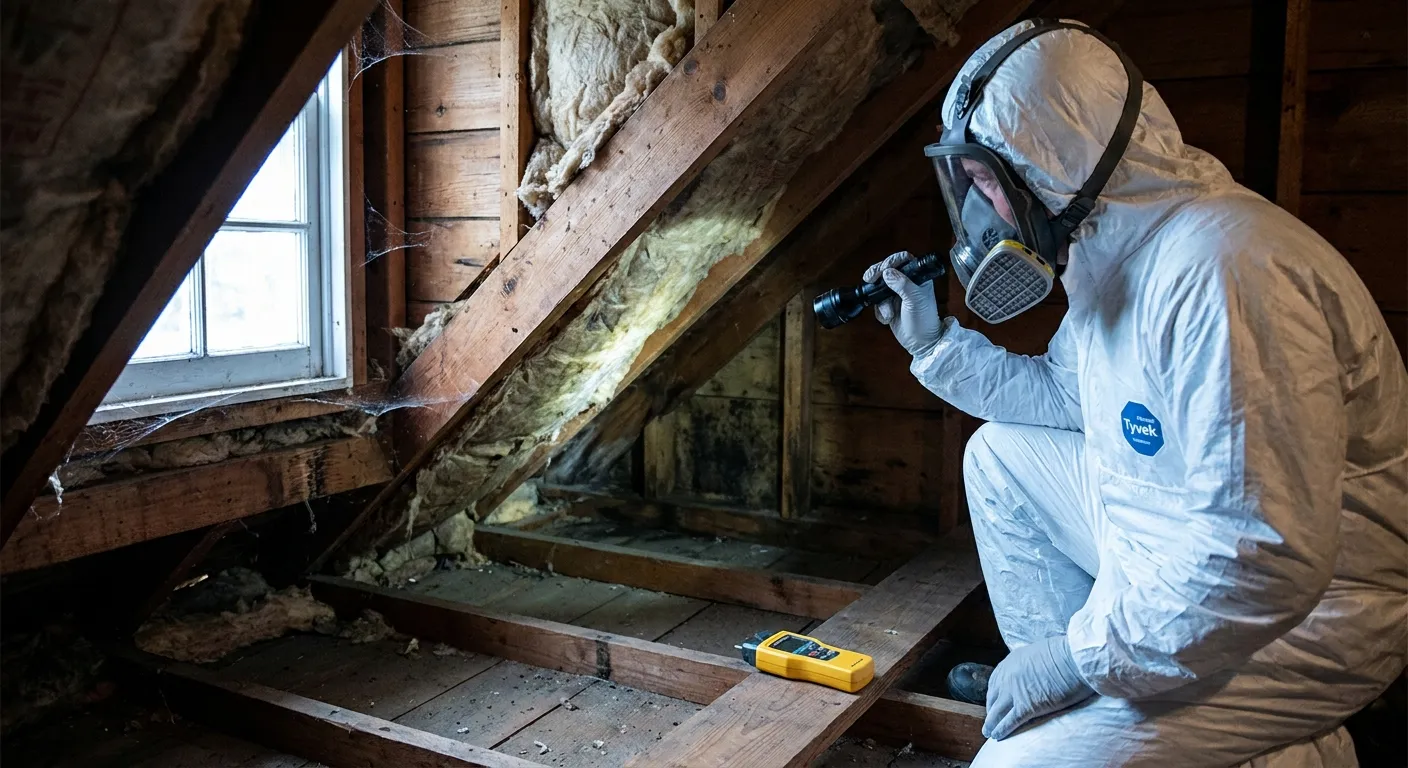
Licensed Mold Remediation Professionals Near You: How to Verify and Why It Matters
When mold takes hold in your home or business, addressing it properly isn’t just a matter of cleaning—it’s about protecting your property, health, and financial peace of mind. But did you know that hiring an unlicensed contractor for mold remediation could cost you more in the long run? From legal troubles to failed inspections and insurance claim denials, skipping over licensing verification can lead to costly mistakes.
This is why working with licensed mold remediation professionals near you is essential. Proper licensing ensures that contractors follow industry standards, adhere to local regulations, and use proven techniques to contain and eliminate mold safely. Not only does this protect your property’s value, but it also reduces potential legal or safety risks.
In this article, we’ll explore why licensing matters, how to verify credentials like IICRC certification, and the risks of hiring unlicensed contractors. Understanding these key points will help you make informed decisions when choosing qualified mold remediation experts like ShepCo Restore—ensuring both compliance and expertise every step of the way.
Why Licensing is Legally Required for Mold Remediation
Licensing is not just a formality in the mold remediation industry—it is a legal requirement in many states across the U.S. Mold remediation involves potential health hazards, structural complications, and specific legal requirements that unlicensed contractors are often not equipped to handle. Licensing ensures that professionals follow strict standards, protecting both the homeowner and the contractor from potential liabilities.
Licensed mold remediation experts are held to state and federal guidelines that guarantee proper handling of hazardous materials and adherence to environmental safety standards. They are trained to assess, remove, and prevent mold effectively while minimizing health risks. States like Florida, Texas, and New York require professionals to have specific mold assessment and remediation licenses before performing any work. Failing to hire a licensed contractor could lead to serious legal and financial repercussions, which we will explore in the next section.
When you choose a licensed and certified mold remediation company like ShepCo Restore, you’re ensuring your project complies with local regulations, which can affect inspections, insurance, and the long-term safety of the property.
The Risks of Hiring Unlicensed Mold Contractors
Hiring an unlicensed mold remediation contractor may appear to save time and money initially, but the risks far outweigh any short-term gains. Unlicensed contractors often lack the specialized training, equipment, and credentials required to remediate mold effectively and safely. Here are some of the most significant risks:
Health Hazards: Mold exposure can cause respiratory problems, skin irritations, and other serious health issues. Only a trained professional with the proper qualifications can identify hidden mold, minimize airborne spores, and use appropriate containment measures to protect occupants.
Failed Inspections: States require licensed professionals to meet stringent remediation and reporting standards. If an unlicensed contractor fails to meet these requirements, your property may not pass inspection. This could prevent future sales, refinancing, or obtaining proper insurance for your property.
Denied Insurance Claims: Insurance companies typically require documentation proving the mold remediation work was performed by a state-licensed provider. Unlicensed work almost guarantees that your claim will be denied, leaving you to cover all repair costs yourself.
Hidden Mold and Recurrence: Mold often grows in hidden areas like behind walls or under flooring. Unlicensed contractors may lack the knowledge or tools to detect this, leaving moisture and mold behind. This can lead to recurring infestations, compounding damage over time.
To avoid these risks, it’s essential to hire licensed mold contractors like ShepCo Restore’s services. With ShepCo Restore, you receive professional mold removal backed by certifications, proper licensing, and years of expertise.
Certifications That Matter in Mold Remediation
Proper certifications demonstrate that a mold remediation professional has the technical training and expertise to handle even the most challenging situations. One of the most recognized industry certifications is the IICRC S520, which establishes national standards for professional mold remediation.
Understanding the IICRC S520 Certification
The Institute of Inspection, Cleaning, and Restoration Certification (IICRC) sets the standard for mold remediation through its S520 document. This certification ensures that professionals follow best practices in identifying, containing, and removing mold safely and effectively. Key aspects of IICRC S520 certification include:
Comprehensive Inspection Procedures: Certified contractors are trained to assess mold using advanced techniques such as moisture meters, infrared cameras, and lab testing.
Effective Remediation Protocols: They understand how to contain affected areas, properly ventilate spaces, and safely handle hazardous materials like mold spores and mycotoxins.
Preventative Recommendations: Post-remediation, contractors can advise on moisture control systems, ventilation improvements, and other preventive measures to ensure mold doesn’t return.
State Licensing Requirements
Alongside industry certifications like IICRC S520, many states require mold remediation professionals to hold specific licensing, which includes mold assessment licenses and remediation contractor licenses. These licenses focus on vetting contractors for their knowledge of local compliance laws, insurance processes, and public safety protocols. Before hiring a contractor, confirm they have the appropriate state-mandated license.
When you partner with ShepCo Restore, you can trust that our team holds all necessary certifications and licenses, meeting both industry and legal standards for licensed mold remediation near you.
The Mold Remediation Process: Why Licensing Matters
Licensed mold contractors follow a structured and reliable process to ensure your property is safe, healthy, and mold-free after remediation. Here’s a breakdown of how licensed professionals handle mold remediation and why their approach safeguards your property and legal standing.
Step 1: Mold Assessment and Inspection
Before starting remediation work, experts conduct a thorough inspection to identify the source and extent of the mold issue. This involves:
- Visual Inspections: Identifying visible mold growth and water damage.
- Moisture Analysis: Using tools like hygrometers or thermal imaging to locate moisture trapped in walls, flooring, or ceilings.
- Laboratory Testing: Collecting air and surface samples for lab analysis to identify mold species and spore counts.
Licensed contractors like ShepCo Restore excel in accurate mold assessments due to their training, tools, and experience. These inspections also generate reports that satisfy state requirements and insurance policies.
Step 2: Containment and Safety Measures
Once the mold is identified, licensed mold contractors establish proper containment to prevent cross-contamination. This step is critical and involves:
- Using plastic sheeting or temporary barriers to seal off contaminated areas.
- Implementing negative air pressure systems to stop airborne mold spores from spreading throughout the home or building.
- Employing personal protective equipment (PPE) to ensure the safety of all workers and occupants.
Unlicensed contractors often skip or poorly execute these steps, increasing health risks and contamination.
Step 3: Mold Removal and Cleanup
Licensed contractors follow state-regulated protocols for safely removing mold from surfaces or materials like drywall, flooring, and furniture. Depending on the severity of mold damage, they may recommend discarding non-salvageable materials or performing intensive cleaning using EPA-approved products.
Step 4: Moisture Control and Prevention
Proper remediation doesn’t just eliminate existing mold; it also addresses the root cause. Licensed professionals locate and repair sources of moisture, such as leaks or poor ventilation. Additionally, they offer long-term prevention strategies, like installing dehumidifiers or improving drainage systems around the property.
For a detailed overview of ShepCo Restore’s professional process, explore our mold remediation and restoration services.
Let me know if you’d like me to continue expanding into the remaining sections!

Conclusion
Mold remediation is not a task to be taken lightly, and the importance of working with licensed professionals cannot be overstated. As discussed, licensing is more than a legal formality—it is a safeguard that ensures mold remediation follows strict standards designed to protect health, property, and compliance with local regulations. Licensed contractors adhere to state and federal guidelines, meaning they possess the training and expertise to manage mold safely and effectively while minimizing risks for property owners.
Hiring an unlicensed contractor, though seemingly cost-effective in the short term, presents avoidable risks, such as exposure to health hazards, failed property inspections, denied insurance claims, and hidden or recurring mold infestations. It becomes evident that saving a bit upfront can quickly lead to greater financial and structural consequences when corners are cut. For these reasons, partnering with licensed and certified professionals like ShepCo Restore is an investment in greater peace of mind and long-term property health.
A strong foundation for trustworthy mold remediation begins with certifications such as the IICRC S520, which ensures contractors follow industry best practices for mold assessment, containment, removal, and prevention. Alongside training, state licensing requirements help filter out unqualified operators, ensuring that only knowledgeable professionals carry out the work. Homeowners and property managers should always confirm that their selected contractor holds the necessary credentials to legally and effectively manage mold issues.
The step-by-step process undertaken by licensed professionals showcases why their involvement is indispensable. From detailed assessments using advanced tools like thermal imaging to implementing effective containment strategies, licensed contractors prioritize your health and the integrity of your property at every stage. Unlike unlicensed contractors, professionals take a methodical approach, ensuring mold is removed safely and the root cause is resolved with moisture control and prevention strategies.
When mold is present, taking decisive and informed action is critical. Neglecting the issue or opting for unqualified contractors can lead to escalating damage, costly repairs, and potential health impacts. Whether dealing with a minor outbreak or substantial mold growth, engaging licensed experts like ShepCo Restore’s certified services ensures your property is in capable hands and adheres to legal and safety standards.
Ultimately, choosing properly licensed and certified mold remediation specialists is about more than compliance—it's about ensuring a safe, healthy, and mold-free environment for your family, employees, or tenants. Don’t let mold jeopardize your property or well-being. Act promptly, verify credentials, and rely on trusted experts to restore your space and prevent future occurrences. Mold remediation done right is not just a solution for today—it’s an investment in the future of your property and the health of those who reside within it. For reliable results, contact ShepCo Restore today to begin your path to a safer, cleaner environment.
Hiring licensed mold remediation professionals is crucial to protecting your property, ensuring safety, and avoiding legal or financial complications. These key takeaways will help you understand why licensing matters, how to verify credentials, and what risks come with hiring unlicensed contractors.
Licensing is a legal requirement in many states: In regions with strict regulations, performing mold remediation without a license can result in significant penalties for the contractor and possible liability for homeowners or property managers.
Unlicensed contractors can cost you more: Hiring an unlicensed mold removal company may lead to failed inspections, code violations, or insurance claim denials, ultimately increasing your expenses.
Verify licenses before hiring: Always ask for proof of both state licenses and relevant certifications like the IICRC S520, which ensures adherence to industry standards for safe and effective mold remediation.
Certified professionals ensure proper procedures: Licensed mold contractors follow strict protocols for containment, removal, and cleanup, preventing mold from spreading and protecting property value.
Understand the difference between mold assessment and remediation licenses: Some states require separate licenses for professionals inspecting for mold and those performing the remediation, so ensure your contractor is certified for the appropriate service.
Insurance prefers licensed contractors: Most insurance companies will only cover services performed by licensed and certified professionals, reducing your financial risks during and after the remediation process.
Penalties for unlicensed work may impact you: Hiring an unlicensed contractor could result in fines, delays, or the need to redo the work entirely, wasting time and money while potentially putting your property at risk.
ShepCo Restore prioritizes compliance and expertise: As licensed and certified mold remediation professionals, ShepCo Restore ensures your property is treated with the highest standards of care and all legal regulations are met.
Understanding the value of licensing helps property owners make informed decisions when choosing a mold remediation expert. In the sections ahead, we’ll explore how to verify credentials, avoid common pitfalls, and work with trusted professionals like ShepCo Restore.
Protect Your Home With Licensed Mold Remediation
Don’t risk your health or property on unlicensed contractors when mold is involved. At ShepCo Restore, we offer licensed and certified mold remediation services to keep your home safe and compliant with state laws. Take action now to prevent further damage and health risks.
Here's why homeowners trust ShepCo Restore:
- Licensed Professionals ensure compliance with state and insurance requirements.
- Safe and Thorough Mold Removal using IICRC-certified expertise.
- Health Protection with advanced containment and air purification techniques.
- Long-term Prevention strategies to stop mold from coming back.
Don’t wait until the damage worsens—book your licensed mold inspection today. Visit ShepCo Restore to schedule your service now!
FAQ and More Info
How can I tell what really needs professional mold remediation and what does not?
Professional mold remediation is necessary when mold covers a large area, typically greater than 10 square feet, or when it is found in areas susceptible to structural damage. If the mold is affecting air quality, causing health symptoms, or is not confined to easy-to-clean surfaces, seeking professional help is advisable to ensure thorough removal. Contact ShepCo Restore for an expert assessment.
Why are two different mold remediation companies giving wildly different scopes and estimates—even when they inspected the same damage?
Differences in estimates can result from varying inspection methods, expertise, and scope definitions. Some companies may include additional services like moisture control or preventive measures. It's important to compare what each estimate covers. Request a detailed explanation and consider a third opinion if necessary. Get a comprehensive evaluation from ShepCo Restore.
What should I expect in terms of timeline and process when hiring a mold remediation contractor?
The timeline depends on the extent of the mold problem. Initial assessment and containment can take a few hours, while removal and drying might extend over days. The process typically involves inspection, containment, removal of mold-damaged materials, cleaning, and moisture control. Contact ShepCo Restore for a detailed timeline tailored to your specific situation.
Is it worth hiring a professional for a mold problem, or is remediation a scam?
Hiring a professional ensures that remediation is conducted safely and effectively, addressing both visible and hidden mold. Untrained attempts can lead to spreading spores and incomplete cleanup. Professionals follow industry standards to protect your property and health. Trust ShepCo Restore for proven, certified services.
What questions should I ask prospective mold remediation contractors to compare services?
Ask if they are licensed and insured, about their experience and certifications, and for references or case studies. Inquire about their process and whether they provide a written estimate. Understanding their approach to safety and prevention of future mold issues is also key. For reliable, certified services, reach out to ShepCo Restore.