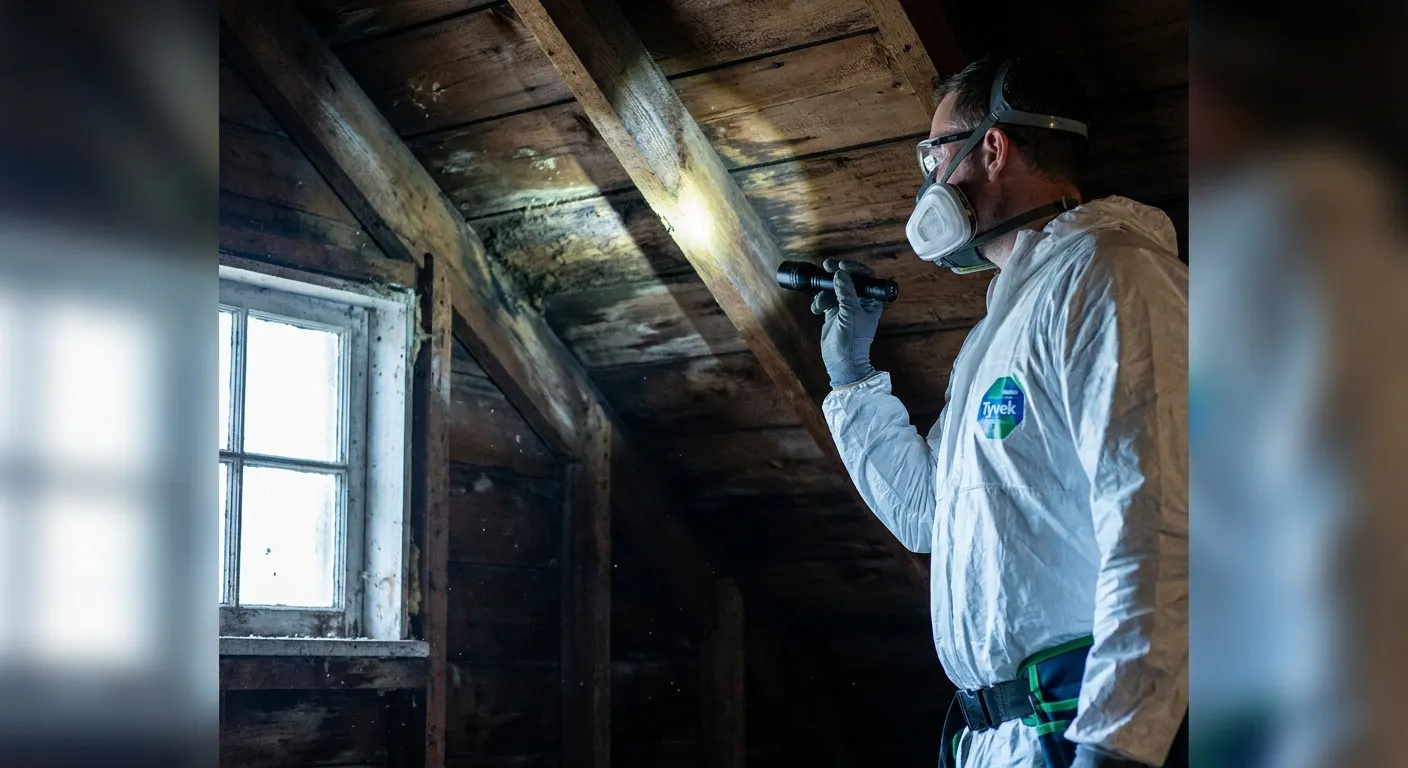
Mold Testing and Remediation Near Me: Methods, Costs, and Tips
Mold isn’t always obvious. While a musty odor or visible discoloration can signal its presence, mold often hides in unseen spaces, spreading quietly and affecting your property’s air quality and structural health. Left unchecked, it can contribute to serious problems, from worsening allergies to costly damage.
That’s why understanding mold testing and remediation near me is essential for every property owner. Effective mold testing goes beyond visual inspections to uncover hidden mold, identify its type, and determine its spread. This thorough approach provides the foundation for professional remediation, ensuring the problem is addressed at its source and reducing the chances of recurrence.
Curious about the methods, costs, and best practices for testing and addressing mold? Let’s explore the techniques professionals use—like air sampling, surface testing, and moisture detection—and how they guide successful remediation. With the right knowledge, you can confidently choose services that restore your property safely and efficiently.
The Importance of Mold Testing and Remediation
Why Mold Testing Matters
Mold is more than just an eyesore; it can compromise your property’s structure and jeopardize your health. Professional mold testing plays a crucial role in identifying the presence, type, and extent of mold growth, which is essential for creating an effective remediation plan. Without testing, hidden mold might continue to spread undetected, exacerbating property damage and increasing health risks such as respiratory concerns or allergies.
Mold testing also provides peace of mind for property owners. Even if no visible mold is present, unusual musty odors or lingering moisture issues can signal hidden problems. Accurate testing ensures that these potential hazards are identified before they become large-scale issues.
Mold Inspection vs Mold Testing
It’s easy to confuse mold inspection with mold testing, but they are distinct processes. A mold inspection involves visually examining areas of the property to look for visible signs of mold or moisture. Inspectors may also rely on tools like moisture meters to identify problem spots.
Mold testing, in comparison, involves scientifically analyzing mold samples to determine specific details, such as:
- The type(s) of mold present.
- The concentration of mold spores in the environment.
- Whether the mold is active or dormant.
While an inspection may reveal obvious mold growth or moisture damage, testing uses laboratory analysis to confirm the presence of mold and assess its impact, even in areas that appear clean. Together, these steps provide a comprehensive understanding of the issue and the scope of remediation required.
Methods Used in Mold Testing
Visual Inspection: The First Step
A visual inspection is typically the first step for any mold-related concern. Professionals carefully examine areas prone to mold growth, such as basements, bathrooms, crawl spaces, and HVAC systems. These areas often experience excess moisture, making them hot spots for mold.
Inspectors look for discoloration on walls, ceilings, and surfaces, water stains, or peeling paint, all of which may signal moisture issues or hidden mold growth. Although this step is essential to narrow down problem areas, visual examination cannot provide conclusive results without additional testing methods.
Air Sampling for Invisible Spores
Air sampling is one of the most widely used mold testing methods, especially when there are no visible signs of mold. This technique measures the concentration of mold spores in the air, which can identify hidden mold behind walls or inside HVAC systems.
During air sampling, professionals use specialized pumps to collect air samples in specific areas of the property. These samples are then sent to a laboratory for testing, where experts determine:
- The type of mold spores present.
- Whether indoor spores exceed outdoor levels, indicating an indoor mold source.
Air sampling is particularly effective at monitoring airborne spores that could affect indoor air quality. However, it’s often combined with other methods to form an accurate picture of the issue.
Surface Testing for Mold Confirmation
Surface testing involves collecting samples from surfaces like walls, floors, furniture, or ductwork to confirm mold presence. Professionals use swabs, tape lifts, or bulk materials to acquire samples from suspected problem areas.
This testing method helps answer critical questions about the nature of mold in a specific area, including:
- Is the mold growing or inactive?
- What types of mold are on the surface?
Surface testing is especially useful in high-risk zones, such as kitchens or bathrooms, where water exposure is frequent. It complements air sampling by helping identify the exact source of a mold problem in a targeted location.
Bulk Sampling for Detailed Analysis
Bulk sampling takes surface testing a step further. It involves removing entire sections of materials, such as drywall or carpeting, for laboratory analysis. By examining actual materials affected by mold, professionals can gain a detailed understanding of how deeply mold has penetrated.
This technique is most often used in severe cases where mold damage is extensive. It can guide remediation efforts by revealing the full extent of contamination, helping professionals determine whether materials can be salvaged or need to be replaced entirely.
Moisture Detection to Find Problem Areas
Moisture detection is another critical step in mold testing because mold thrives in damp environments. Professionals use tools like moisture meters or infrared cameras to detect hidden moisture behind walls, under flooring, or inside ceilings.
By identifying moisture-prone areas, professionals can pinpoint where mold is likely to develop or has already taken hold. Addressing the moisture source is key to ensuring successful remediation and long-term prevention.
Laboratory Analysis and Results
Collected samples from air, surfaces, or bulk materials are sent to certified laboratories for professional analysis. The lab evaluates:
- Mold spore concentration levels.
- Mold species type and whether they are toxic, allergenic, or harmless.
- Growth stage (active vs dormant).
Laboratory results are typically presented in a detailed report that helps property owners and restoration experts craft an effective remediation strategy. A professional inspection service like ShepCo Restore ensures accurate testing and lab-certified results every step of the way.
The Cost of Mold Testing
Factors That Influence Costs
The cost of mold testing varies based on several factors, including:
- Property size: Larger spaces require more time and resources to test thoroughly.
- Testing method: Air sampling, surface testing, and bulk sampling all have different costs based on their complexity.
- Extent of mold concerns: Severe or widespread cases may require additional sampling or tools, increasing the price.
- Lab analysis fees: Many testing methods involve laboratory analysis, which adds to the overall expense.
On average, professional mold testing can cost anywhere from $300 to $1,000. An onsite inspection combined with multiple testing methods often provides the best accuracy for this price range.
Is Mold Testing Worth the Expense?
Although the cost might seem significant, mold testing is worth the investment to protect your health and property. DIY test kits, while inexpensive, often lack the precision of professional testing and can produce misleading results.
Professional mold testing ensures an accurate diagnosis, preventing unnecessary or incomplete remediation efforts. It also provides thorough documentation, which may be required when dealing with landlords, insurance claims, or real estate transactions.
Tips for Choosing Affordable, Reliable Services
Finding cost-effective mold testing doesn’t mean sacrificing quality. Here are tips for selecting a reputable service:
- Look for experienced, certified professionals like ShepCo Restore.
- Research companies that offer both testing and remediation to streamline the process.
- Request a written estimate before hiring and compare prices from multiple providers.
Investing in reliable testing will save you time and money in the long run by addressing the issue comprehensively from the start.
Let me know if you'd like me to continue building the rest of the sections!

Conclusion
Understanding the significance of mold testing and remediation is essential for maintaining the safety and integrity of your property. Mold testing provides a critical first step in identifying not only the presence of mold but also its type, concentration, and potential health risks. This process empowers property owners to take informed action before mold problems worsen and cause more extensive damage. By addressing mold early, you can avoid costly repairs, safeguard indoor air quality, and protect the health of your household or occupants.
The distinction between mold inspection and mold testing highlights how these two processes work together. While a mold inspection visually identifies problem areas or moisture issues, testing goes deeper through scientific analysis of air, surface, and bulk samples. This dual approach creates a comprehensive understanding of mold-related problems, ensuring remediation efforts are both accurate and effective. Advanced tools like moisture meters, air pumps, and laboratory testing ensure no potential issue is overlooked, even in hidden or hard-to-reach areas.
Mold testing methods such as air sampling, surface testing, bulk sampling, and moisture detection provide tailored solutions depending on the severity and location of the mold. For example, air sampling reveals airborne spores affecting indoor air quality, while surface and bulk sampling pinpoint mold growth on materials that require direct remediation. The integration of expert laboratory analysis further enhances these methods, offering a clear view of contamination and actionable strategies for resolving it. Services like those offered by ShepCo Restore ensure that every step of the testing and remediation process is completed with precision and professionalism.
Although mold testing costs vary depending on factors like property size or testing method, the investment is well worth it. Attempting to manage mold with inexpensive DIY test kits or shortcuts often leads to inaccurate results and incomplete solutions. Professional testing ensures thorough documentation, which can be vital during real estate transactions, insurance claims, or landlord disputes. Reliable services not only address the mold problem but also provide peace of mind, knowing that remediation is based on scientifically backed results.
Ultimately, mold testing and remediation are not just about solving a visible issue; they are about preventing future problems and restoring confidence in a safe living environment. If your home or property displays signs of mold, such as musty odors, discoloration, or recurring moisture, do not delay in seeking assistance. Contact professional services like ShepCo Restore for a detailed inspection and testing plan designed around your specific needs.
Taking timely action when mold is suspected can save you money, preserve the condition of your property, and protect what matters most—your health. Don’t allow mold to remain an invisible threat. By prioritizing professional mold testing, you can take proactive measures to ensure a lasting and effective resolution. Reach out to trusted specialists today and begin the process of safeguarding your property for years to come.
Understanding mold testing methods can help property owners feel more confident when choosing a professional service. These key takeaways highlight essential information about the process, costs, and decisions involved in mold testing and remediation.
Visual mold inspections are just the first step: Professionals often begin with a visual assessment to locate obvious signs of mold or water damage, but this step is not enough to determine the full extent of the issue.
Air sampling detects invisible mold spores: This method tests the air for mold spores not visible to the naked eye. It’s useful for detecting hidden mold growth or assessing overall air quality within the property.
Surface and bulk sampling provide direct evidence: These methods involve collecting samples from surfaces or materials like drywall or flooring to confirm mold presence and identify the type of mold growing in the area.
Moisture detection finds hidden problems: Tools like moisture meters and infrared cameras are key in locating wet areas where mold is likely to grow, especially when leaks or water damage are suspected.
Laboratory analysis provides detailed results: Samples collected during testing are sent to a lab, where experts identify mold species and assess spore counts to guide remediation decisions.
Understand the cost factors of testing: The price of mold testing varies by method, with air sampling and laboratory analysis typically costing more than visual inspections or surface sampling. Costs can also rise if multiple areas need testing.
When to call for professional mold testing: Testing is recommended if there’s visible mold, unexplained health issues, recent water damage, or a property purchase where mold presence is suspected but not confirmed.
Mold testing and remediation work hand in hand: Testing helps identify the type and spread of mold, while remediation eliminates the problem at its source. Combining both ensures a cleaner, safer environment.
Being familiar with mold testing techniques empowers property owners to make informed decisions when searching for mold testing and remediation services. In the following sections, we’ll explore these testing methods in greater detail, discuss costs, and explain how ShepCo Restore can help restore your property efficiently and effectively.
Take Action Against Mold Today
Don’t let mold threaten your health or property any longer. Now is the perfect time to schedule professional mold testing and remediation with ShepCo Restore. Our expert team ensures mold is identified, treated, and prevented effectively.
When you book with us, you’ll get:
- Comprehensive testing methods like air, surface, and bulk sampling for accurate results.
- Certified lab analysis to identify mold type, concentration, and activity.
- A customized remediation plan to remove your mold problem at the source.
- Experienced professionals who protect your property and prioritize your safety.
Stop wondering if mold is hiding in your home or business. Schedule your trusted mold testing service today. Book your appointment now!
FAQ and More Info
Is it normal to pay $2,500 for thorough mold sampling and testing?
The cost of thorough mold sampling and testing depends on factors like property size, number of samples, and lab analyses required. Costs can vary widely, so it's essential to ensure pricing is based on these specific needs. Request a detailed estimate from ShepCo Restore to understand what's involved.
Should I avoid 'free inspection' services if I have an actual mold issue?
While 'free inspection' offers may seem appealing, they might not provide comprehensive insights. Professional inspections should involve detailed assessments of moisture levels and potential mold growth. For accurate results and recommendations, consider scheduling a professional inspection with ShepCo Restore.
What is the baseline cost for mold testing?
Baseline costs for mold testing vary, influenced by factors like property size and the extent of suspected issues. Testing often includes air and surface sampling, requiring lab analysis. For a precise quote tailored to your property's needs, contact ShepCo Restore.
How can I ensure that mold inspectors aren't being dishonest about what is needed?
Ensure honesty by choosing an experienced and certified mold inspection company. Verify credentials, ask for detailed reports, and consider getting a second opinion if needed. ShepCo Restore offers transparent, expert assessments supported by lab analysis.
What is the risk of a $500 mold issue turning into a $5,000+ job if not addressed early?
Ignoring a small mold problem can lead to significant damage, increasing remediation costs. Mold spreads quickly, affecting air quality and property structure. Early detection and action with professionals like ShepCo Restore can prevent costs from escalating drastically.