Selecting the Best Mold Inspection and Remediation Services Near You
Finding mold in your home or business can be alarming, but choosing the right professionals to address the problem doesn’t have to be. Mold thrives in hidden spaces, often caused by undetected moisture, and can pose serious risks to both property and health if left untreated. That’s why understanding how to find qualified mold inspection and remediation near me is essential to solving the issue at its root.
Whether you’re dealing with an unexpected mold problem or planning a precautionary inspection, selecting a reliable service provider is crucial to getting accurate results and effective solutions. From understanding the difference between inspection and remediation to prioritizing professional certifications, knowing what to look for can simplify the process and help you avoid costly mistakes.
Let’s explore the essential factors to consider when hiring mold inspection and remediation services, ensuring you’re equipped with the knowledge to choose a trusted expert in your area with confidence.
Mold Inspection vs. Mold Remediation: Understanding the Difference
Before diving into how to select the best service for "mold inspection and remediation near me," it’s important to understand that inspection and remediation are two distinct processes. Confusing the two can lead to frustration, wasted money, and unresolved mold issues.
Mold Inspection: Identifying the Problem
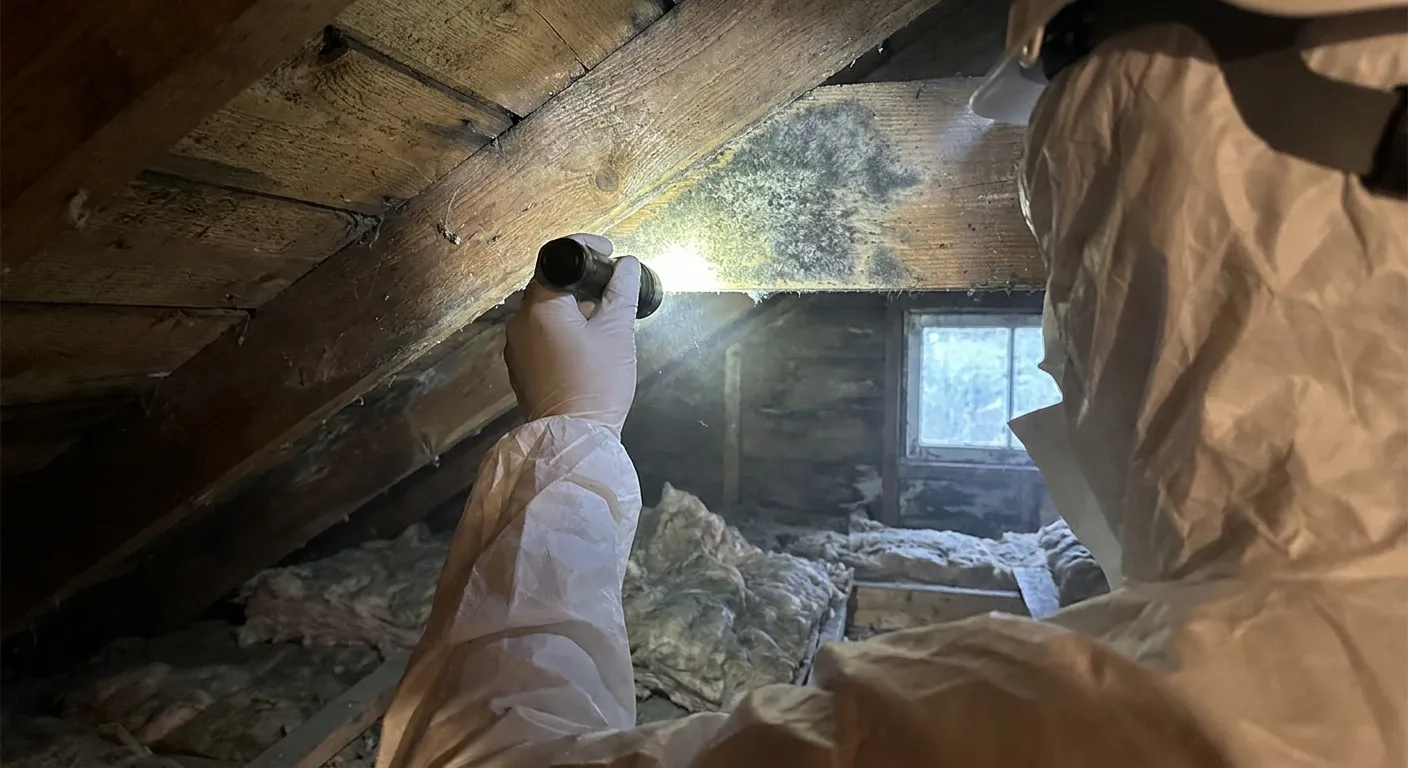
A mold inspection is the process of assessing your property to determine whether mold is present, its location, and the severity of the problem. This is often the first step if you’ve noticed signs of mold, such as visible growth, musty odors, or unexplained health symptoms like allergies or respiratory difficulties.
A professional mold inspector typically evaluates:
- Visible signs of mold on walls, ceilings, or flooring.
- Moisture levels in various areas of the home using moisture meters.
- Airborne mold spores through air sampling or testing equipment.
- Environmental conditions that encourage mold growth, like humidity and poor ventilation.
The ultimate goal of a mold inspection is to clearly identify the extent of contamination. Based on findings, the inspector will advise you on whether mold remediation is necessary.
Mold Remediation: Addressing the Issue
Mold remediation focuses on eliminating the problem. Once mold has been identified during an inspection, remediation services work to remove it safely and ensure it doesn’t return. This involves several steps:
- Containment: Isolating the affected area with plastic sheeting to prevent cross-contamination.
- Removal: Physically removing mold growth on affected areas like drywall, carpeting, and tiles.
- Cleaning: Using specialized cleaning methods, like HEPA vacuuming and antimicrobial treatments.
- Restoration: Repairing or replacing damaged areas, such as sections of walls or flooring.
- Prevention: Addressing the root causes, such as water leaks or humidity control.
Some companies, like ShepCo Restore, offer both services, guiding you through the process from inspection to full remediation. Remember, inspection only identifies the issue; remediation fixes it.
Key Factors to Consider When Choosing a Mold Inspection Service
Whether you are searching for “mold inspection services” or a “local mold inspector," choosing the right provider is crucial. A quality mold inspection ensures accurate results, saving you time and money. Below are the top factors to evaluate.
Certifications and Licensing
One major indicator of a professional mold inspection service is proper certifications. Look for inspectors with credentials like:
- IICRC (Institute of Inspection, Cleaning and Restoration Certification): Widely trusted in the mold remediation industry.
- ACAC (American Council for Accredited Certification): A credential for mold inspection and environmental hazard assessment.
- State licenses: Some states (like Florida or Texas) require mold assessors to be licensed.
Hiring a certified professional ensures you receive expert service that adheres to industry standards. This prevents misdiagnosis, such as wrongly assuming water stains are mold or overlooking hidden contamination.
Experience and Specialization
While general home inspectors might have limited knowledge about mold, a licensed mold inspector focuses exclusively on identifying and testing for mold issues. Experienced professionals are more adept at spotting subtle signs of mold, using advanced testing methods, and providing actionable recommendations based on inspection results.
Ask specific questions to gauge their experience:
- Have you worked in residential, commercial, or both types of properties?
- How do you identify hidden mold behind walls or under flooring?
- Do you have experience with moisture mapping and thermal imaging?
Types of Testing Methods
Understanding the methods a company uses for mold testing is important. Professional mold inspection services often include:
- Air sampling: Measuring the concentration of mold spores in the air.
- Surface testing: Collecting samples from surfaces such as walls or furniture for laboratory testing.
- Thermal imagery or moisture meters: Identifying mold-conducive conditions like hidden leaks or humid areas.
Choose a local mold inspector who uses the latest technology to ensure comprehensive results.
Questions to Ask Before Hiring a Local Mold Inspector
Selecting a mold inspection service requires more than searching “mold testing near me” online. Conducting due diligence ensures you hire a professional who fits your specific needs. Here are some key questions to ask:
What certifications and experience do you have?
Ensure they have industry-recognized certifications like IICRC or ACAC.What tools or methods will you use during the inspection?
Ask about the use of moisture meters, air sampling, or thermal imaging technology.Do you offer both inspection and remediation services?
Some companies, like ShepCo Restore, streamline the process by offering both. This ensures continuity and avoids conflicts of interest.Can you provide a written report with clear findings?
A proper report should outline the extent of the problem, provide recommendations, and indicate whether remediation is needed.What are your fees, and do you offer free estimates?
Be clear on costs upfront, including whether charges apply to specific tests or only the initial evaluation.
By asking the above questions, you can compare several mold inspection services and make an informed decision.
Customer Reviews and Reputation
Online reviews and testimonials are a goldmine for gauging the reliability of “local mold inspectors” in your area. Platforms like Google, Yelp, or even the ShepCo Restore website showcase how previous customers felt about their services.
When reading reviews, look for patterns in the feedback. Pay attention to:
- Punctuality and professionalism: Were they on time and thorough in their work?
- Transparency: Did the inspector explain their findings clearly without pressuring the customer?
- Problem resolution: Did customers report a long-term resolution after remediation services?
Personal recommendations from neighbors, local Facebook groups, or home improvement forums can also be valuable when researching mold removal companies.
Red Flags to Watch For
Be cautious of companies that exhibit the following:
- Aggressive upselling during an inspection without a thorough assessment.
- Lack of licensing or certifications.
- Poor communication or vague answers when asked specific questions about their process.
Ultimately, customer reviews and digital word-of-mouth provide insights into the professionalism and dependability of a company.
I will cover the remaining sections, including cost considerations, service transparency, and final advice, in the follow-up response.

Conclusion
Understanding the distinction between mold inspection and mold remediation is a vital first step for anyone dealing with potential mold issues in their home or business. Each process plays a unique role in ensuring not only that mold problems are identified accurately but also that they are resolved completely and prevented from returning. Confusing these two services can lead to unnecessary costs, mismanagement of the problem, and ongoing risks to your health and property.
A thorough mold inspection provides clarity by pinpointing the source of the mold, its severity, and its underlying causes, such as moisture or poor ventilation. Certified inspectors, like those with credentials from IICRC or ACAC, ensure accurate assessments and dependable recommendations. By working with experienced professionals who use advanced tools like moisture meters, air sampling, and thermal imaging, homeowners and business owners can gain the insights they need to address problems effectively.
On the other hand, mold remediation involves taking actionable steps to eliminate the mold and its root causes. This process includes containment to prevent mold spread, safe removal of contaminated materials, deep cleaning using specialized tools like HEPA vacuums, and restoring damaged areas. Crucially, remediation also addresses the moisture issues that allow mold to grow, ensuring a long-term solution and a safer environment.
When choosing a mold inspection or remediation service, taking time to assess the provider’s qualifications, certifications, and methods is invaluable. Asking thoughtful questions about their experience, testing techniques, and ability to provide a detailed report can help you find experts equipped to manage your situation. Companies like ShepCo Restore streamline the process by offering both inspection and remediation, ensuring a seamless approach to mold resolution.
Customer reviews should be an essential part of your decision-making, as they reveal whether a provider consistently delivers on their promises. Look for companies with positive feedback about professionalism, transparency, and effectiveness in resolving mold issues. At the same time, stay alert for red flags like aggressive upselling, vague communication, or lack of licensing, which can indicate subpar service quality.
Ultimately, addressing any mold problem must begin with accurate identification and end with a comprehensive remediation strategy. Ignoring the signs of mold, such as musty smells, visible growth, or humidity problems, can lead to structural damage and health concerns. Acting early and choosing qualified specialists can save thousands in repair costs while safeguarding your property and well-being.
If you’re facing mold concerns or suspect hidden mold in your home or building, don’t delay in reaching out for professional assistance. For expert inspection and remediation, consider scheduling a consultation with ShepCo Restore. Their team will help you navigate the entire process, ensuring your environment is clean, safe, and mold-free. Taking proactive action today not only resolves current issues but also prevents future ones—protecting your property and peace of mind for the long term.
Choosing the right mold inspection and remediation services can be daunting, especially when you're facing a potential mold issue. Understanding the difference between inspection and remediation, along with knowing what qualifications to prioritize, can make finding a reliable local expert much easier. Here are the key takeaways to consider when searching "mold inspection and remediation near me."
Understand the difference between inspection and remediation: Mold inspection identifies the issue, while remediation resolves it. Hire a service that offers both or clearly communicates which they specialize in.
Prioritize professional certifications and licensing: Look for inspectors qualified by recognized organizations like IICRC or NORMI, ensuring they adhere to industry standards.
Verify customer reviews for credibility: Use platforms like Yelp, Angi, or Google to evaluate a company's reputation and read detailed feedback from past clients.
Ask about testing methods and equipment: Reliable inspectors use professional tools like moisture meters, infrared cameras, and air quality tests to pinpoint hidden mold and moisture.
Ensure the service offers guarantees and insurance coverage: A reputable company should provide warranties on their work and carry liability insurance for your protection.
Beware of "inspection-only" red flags: Some companies may push unnecessary remediation if they profit from both services. Confirm transparency in their recommendations.
Evaluate upfront costs and service value: Request a detailed estimate to understand what is included in the inspection or remediation process before committing.
Prepare a list of critical questions before hiring: Confirm availability, experience, certifications, and whether they provide written reports with actionable findings.
Look for moisture detection expertise: Mold issues often stem from hidden water problems, so choose an inspector skilled at identifying underlying moisture sources.
Search for locally trusted experts: Focus on companies familiar with regional conditions, as they are better equipped to address climate-specific mold risks.
With these insights, you'll be well-prepared to select an effective, reliable service for mold inspection and remediation. In the sections ahead, we’ll dive deeper into what to expect from each step of the process and how to identify top-tier professionals in your area.
Protect Your Home with Professional Mold Services
Don’t let mold damage your home or health. If you’ve noticed musty odors, visible growth, or unexplained allergies, now is the time to act. At ShepCo Restore, we offer comprehensive mold inspection and remediation services to ensure your property stays safe and mold-free.
Here’s why homeowners trust us:
- Thorough assessments with advanced tools like thermal imaging and air sampling.
- Safe mold removal using industry-leading containment and cleaning techniques.
- Long-term prevention by addressing underlying issues like leaks and humidity.
- Certified professionals with years of experience in residential and commercial properties.
Don’t wait—mold problems only worsen over time. Schedule your inspection today and take the first step toward a healthier home!
FAQ and More Info
How much does mold remediation typically cost for a medium-sized area?
The cost of mold remediation varies based on factors like the type of damage, affected area size, moisture level, materials involved, and access. It also depends on safety needs, cleanup scope, repairs needed, urgency, and whether testing or documentation is required. For a detailed estimate, request a free quote from ShepCo Restore.
What credentials, licenses, and insurance should a mold inspection or remediation company have?
A reputable company should have credentials from organizations like IICRC or NORMI, a state license where required, and adequate liability insurance. These ensure adherence to industry standards and provide protection during the process. Confirm these credentials before hiring any service.
Are written reports, estimates, and scopes of work standard in mold remediation contracts?
Yes, written reports, detailed estimates, and clear scopes of work are standard practice. They help in understanding the problem, proposed solutions, and associated costs. This transparency is crucial, especially for homeowners seeking assurance about the remediation process.
Can one company both inspect and remediate mold, or should these services be separate?
While some companies offer both services, it's important to ensure they provide clear, unbiased recommendations without upselling unnecessary remediation. A company like ShepCo Restore can handle both processes, streamlining the experience with their expertise.
How long does a full mold inspection usually take, and what does it include?
A full mold inspection typically takes a few hours and includes assessing visible signs of mold, evaluating moisture levels, and testing air quality. Inspectors may use tools like moisture meters and thermal imaging to detect hidden mold. The process concludes with a detailed report outlining findings and recommendations.